
You take pride in your home and want it to reflect your taste. Yet the sight of a struggling lawn, yellowing patches, and sprinklers running nonstop makes you sigh. Natural grass demands constant mowing, watering, seeding, and weeding. Weekends get swallowed by yard chores when they could be spent enjoying your property. You need a lawn that looks lush all year, yet doesn’t steal your free time.
Many homeowners turn to synthetic turf for their homes to solve this problem. It promises a beautiful yard with minimal effort and appeals to those who value quality and lasting value. ForeverLawn of the Carolinas, a local Fayetteville business, specializes in premium turf systems and backs its work with integrity and dependable service. In this comprehensive guide, you will learn what synthetic turf is, why it’s becoming so popular, and whether it’s right for your luxurious lifestyle.
Synthetic turf is not a gimmick. It’s a carefully engineered surface made of polyethylene, nylon, or polypropylene fibers stitched into a sturdy backing. High‑quality products incorporate different shades of green and realistic brown thatch so the lawn looks natural. Advances in fiber shape and texture mean modern turf feels soft, not plastic. This guide explores the benefits of artificial grass for homeowners, examines pet‑friendly options, explains how long a long‑lasting synthetic lawn warranty can protect your investment, and compares synthetic turf versus natural grass. By the end, you’ll know whether synthetic turf can make your outdoor space both beautiful and practical.
What Is Synthetic Turf For Homes?
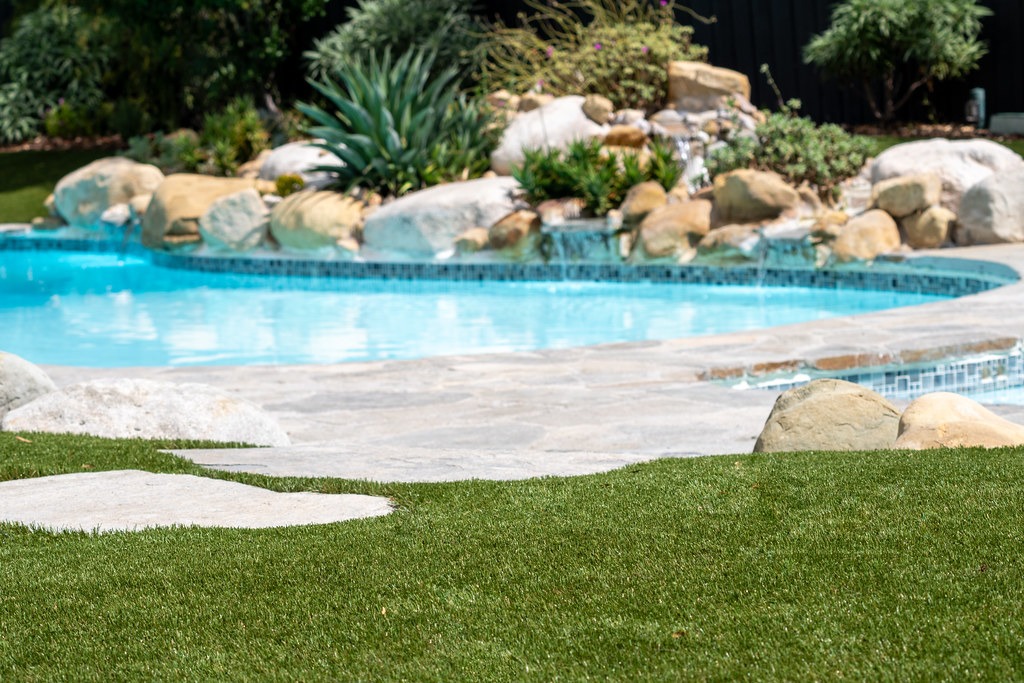
Synthetic turf is a landscaping material designed to look and feel like natural grass. It is composed of synthetic fibers like polyethylene for softness, nylon for resilience, or polypropylene for cost efficiency, all attached to a backing. A layer of infill (sand, rubber, or specialized materials) sits between the blades to support them and improve cushioning. The system is installed over a compacted base so water drains freely. In residential use, synthetic turf for homes provides a green, uniform surface without watering or mowing.
Modern turf has come a long way since the early AstroTurf used on sports fields. Manufacturers now offer products tailored to specific applications. Turf for residential yards mimics local grasses; play area turf uses softer, non‑abrasive fibers; putting green turf has shorter, tighter blades for a consistent ball roll. ForeverLawn of the Carolinas offers an array of products like playground turf, dog grass, and golf turf, so each area of your yard receives the right material.
Construction And Realism
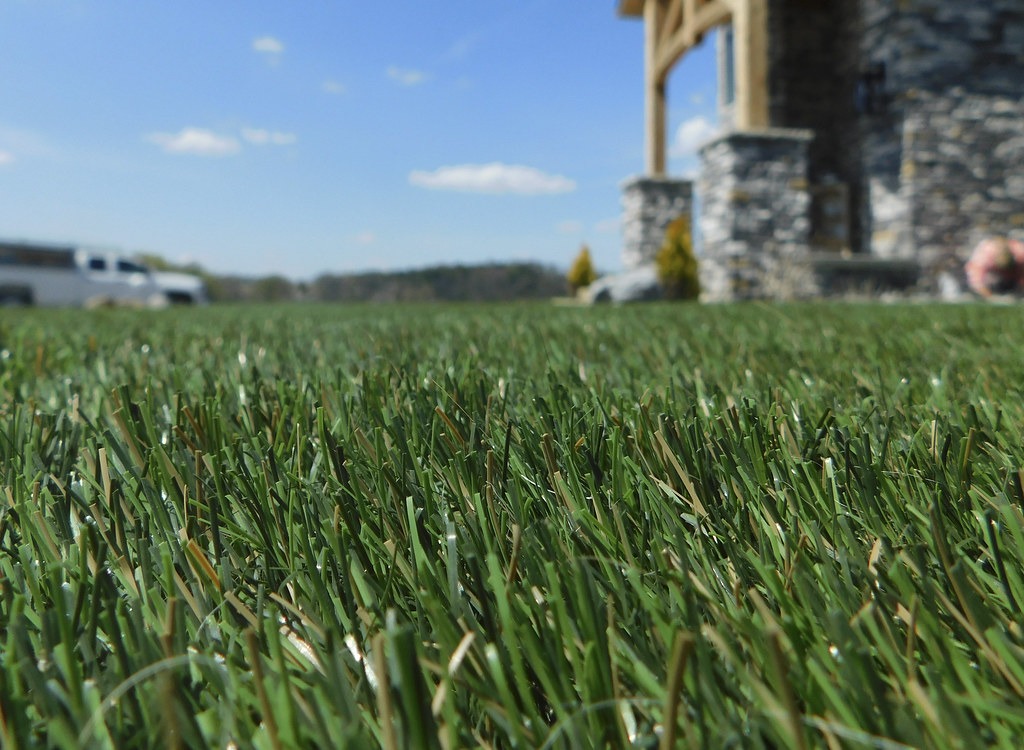
High‑quality turf uses multiple blade colors and a layer of thatch to mimic natural grass. A matte finish prevents the unnatural sheen that plagued earlier versions. Blade shapes like S, diamond, or V provide resilience and a soft feel. Dense fiber counts help the turf bounce back after foot traffic. These features combine to create realistic artificial grass for residential yards that delights both eyes and feet.
What Are The Key Benefits Of Artificial Grass For Homeowners?
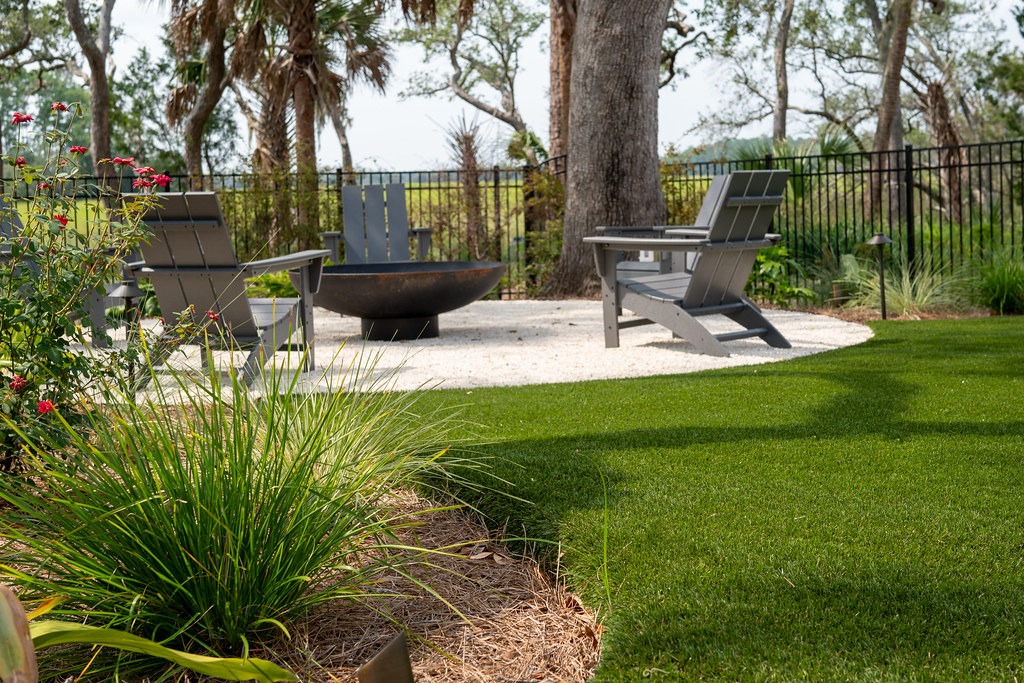
Luxury homeowners appreciate products that provide long‑term value and aesthetic appeal. Synthetic turf delivers both. Here are the major advantages of using artificial grass in your yard.
Low Maintenance And Time Savings
Natural lawns demand weekly attention: mowing, edging, watering, fertilizing, and pest control. Artificial turf needs only occasional brushing and rinsing. This gives you back your weekends. The synthetic turf vs natural grass maintenance conversation often ends with homeowners choosing the option that frees their schedule.
Water And Resource Conservation
Outdoor watering accounts for significant household water use. Typical families use nearly 100,000 gallons a year. Artificial grass eliminates this need, lowering your utility bills and cutting down on mower emissions.
Durability And Beauty Year‑Round
Artificial turf withstands heavy foot traffic, harsh sun, and inclement weather. It can handle 8–12 times more use than natural grass and stays lush without bare patches. For active households, durability keeps the lawn pristine during events.
Cost Savings Over Time
While the upfront installation cost is higher, eliminating ongoing watering, mowing, and fertilizing expenses over 10–15 years makes synthetic turf a smart investment.
Healthy And Safe Environment
Artificial lawns eliminate the need for herbicides and pesticides, making the yard safer for kids and pets. The compacted base discourages insects and allergens. Without lawn chemicals or gas mower emissions, your family enjoys a cleaner environment.
How Realistic Can Artificial Grass Look And Feel?
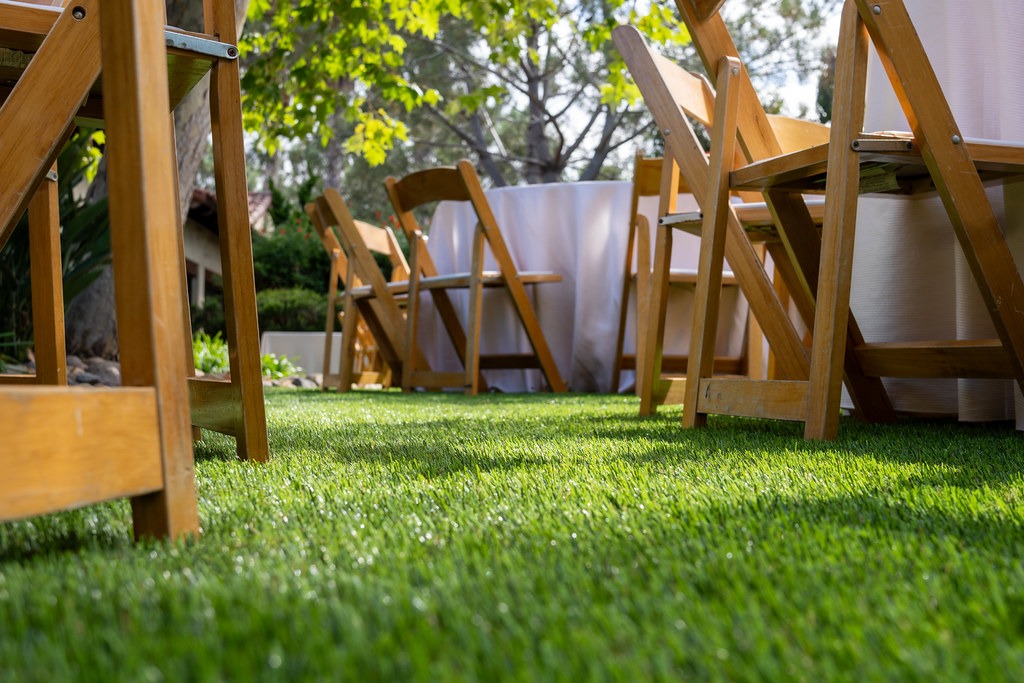
A common concern is whether artificial turf looks “fake.” Modern products are engineered to be convincingly natural.
Appearance
Quality turf replicates natural grass by combining multiple shades of green with brown thatch. A matte finish eliminates gloss. Blade shapes enhance realism, and a high density of fibers makes the lawn look full and lush. With these features, the lawn integrates naturally into your landscape.
Texture And Comfort
The best turf feels soft underfoot. S‑shaped or V‑shaped blades create a resilient surface. Polyethylene fibers offer a pleasant touch while maintaining durability. Quality infill and proper installation provide cushioning comparable to natural turf. For families who enjoy barefoot walking or outdoor yoga, modern turf offers comfort as well as beauty.
Evolution Of Turf
Early synthetic grass looked like a green carpet. Advances in materials and manufacturing have made today’s products far more realistic. UV‑resistant fibers prevent fading. Improved drainage systems eliminate puddles. The result is turf that looks and feels natural.
How Long Can Your Synthetic Lawn Last, And What’s Covered Under Warranty?
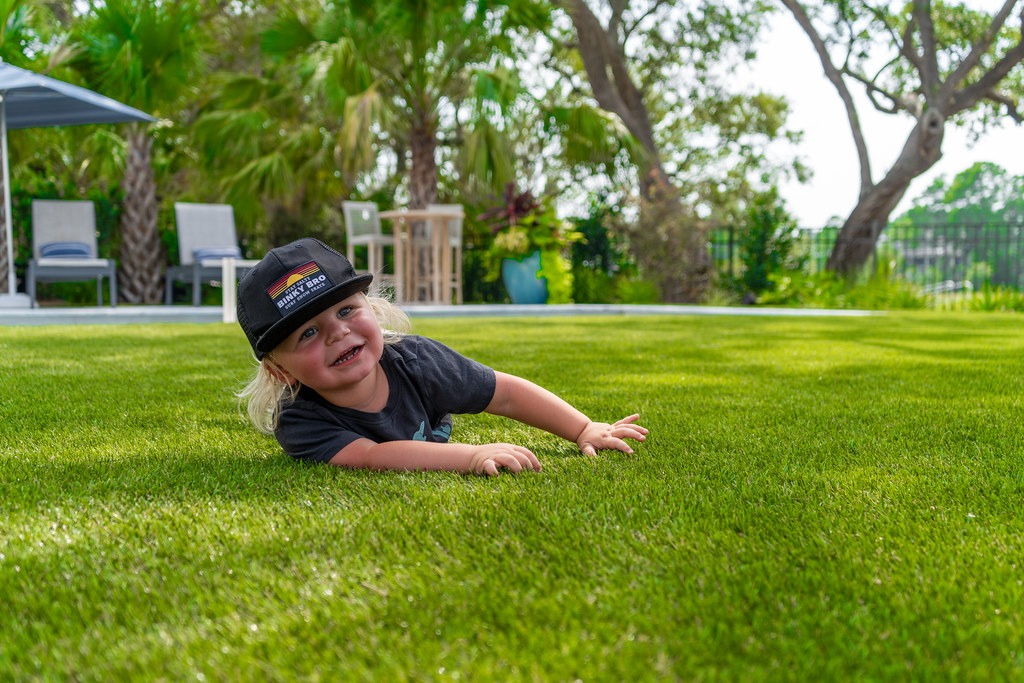
Homeowners want assurance that their investment will endure. Lifespan depends on material quality, usage, and maintenance.
Expected Lifespan
High‑quality artificial lawns last around 10-20 years. Choosing the right turf for each area helps ensure longevity. ForeverLawn of the Carolinas offers a long‑lasting synthetic lawn warranty of 15 years on its products and a 2‑year installation warranty, reflecting our confidence in product durability.
Warranty Coverage
A good warranty is meant to cover manufacturing defects such as UV degradation and excessive, premature wear. Manufacturer warranties often range from 10-20 years. Installation warranties, which address seam problems and poor base preparation, typically last 1–3 years. Understanding warranty terms helps you gauge the value of different products. Your warranty can also be transferable to a new owner.
What’s Not Covered
Warranties exclude damages from improper use, perimeter attachment difficulties, or neglect. They also exclude natural disasters. Regular cleaning and proper installation are essential to maintain coverage.
Maintenance: How Much Work Does Artificial Grass Really Require?
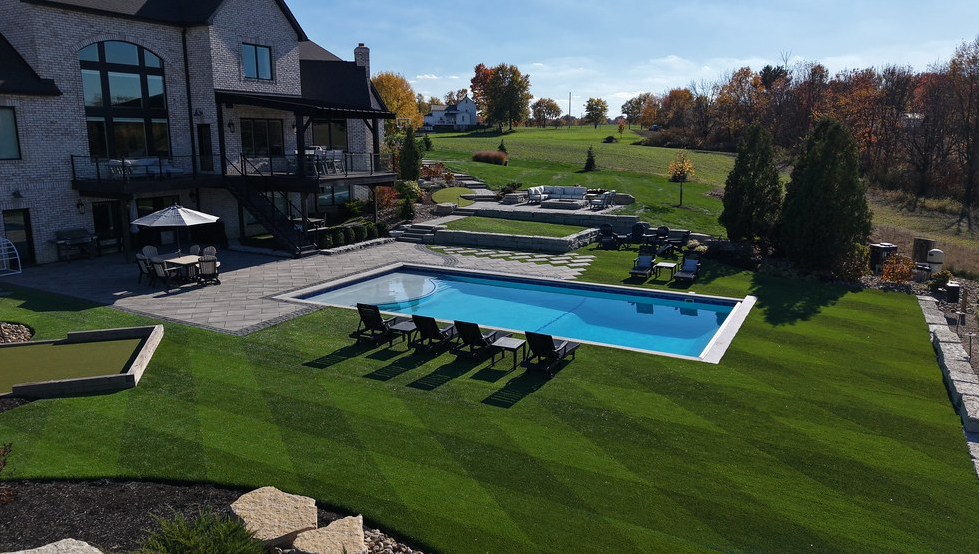
The promise of easy care is appealing, but what does maintenance actually involve?
Routine Care
Artificial grass needs periodic brushing and rinsing. Use a stiff broom or power brush to keep the fibers upright. Rinse occasionally to remove dust and pet residues. This simple routine prevents matting and odors.
Infill Maintenance And Seasonal Tips
Over time, the infill that supports the blades may compact. Top it up as needed to maintain cushioning. In the fall, remove leaves to prevent debris build‑up. In summer, a quick rinse can cool the surface.
Pet Clean‑Up
If you have pets, promptly remove solid waste. Rinse areas to avoid odors and bacteria. Some products include antimicrobial technology to help control smells. Regular cleaning also helps maintain warranty coverage.
Step‑By‑Step: What Happens During Turf Installation?
A proper installation ensures your lawn performs as promised. A typical artificial turf installation process, step by step, includes:
- Site Evaluation and Planning – The installer measures the area and plans the layout. Existing grass and debris are removed.
- Excavation and Base Preparation – Soil is excavated and replaced with layers of compacted aggregate. Drainage improvements are made if needed.
- Perimeter Board Installation – Composite Board frames the perimeter of the lawn, and turf is secured to it by staples.
- Measuring and Cutting Turf – Turf is rolled out, allowed to relax, and cut to size.
- Laying and Securing Turf – The turf is placed over the base and anchored along the edges. Seams are joined carefully to create an invisible connection.
- Infill Application and Grooming – Infill is applied evenly when applicable. The installer brushes the surface to stand the blades upright.
This professional process creates a stable, well‑drained surface. ForeverLawn of the Carolinas follows these steps, ensuring each project is customized and long‑lasting.
Understanding the artificial turf installation process step by step helps you anticipate each phase of your project and ensures a quality result.
Is Synthetic Turf Right For Pets And Play Areas?
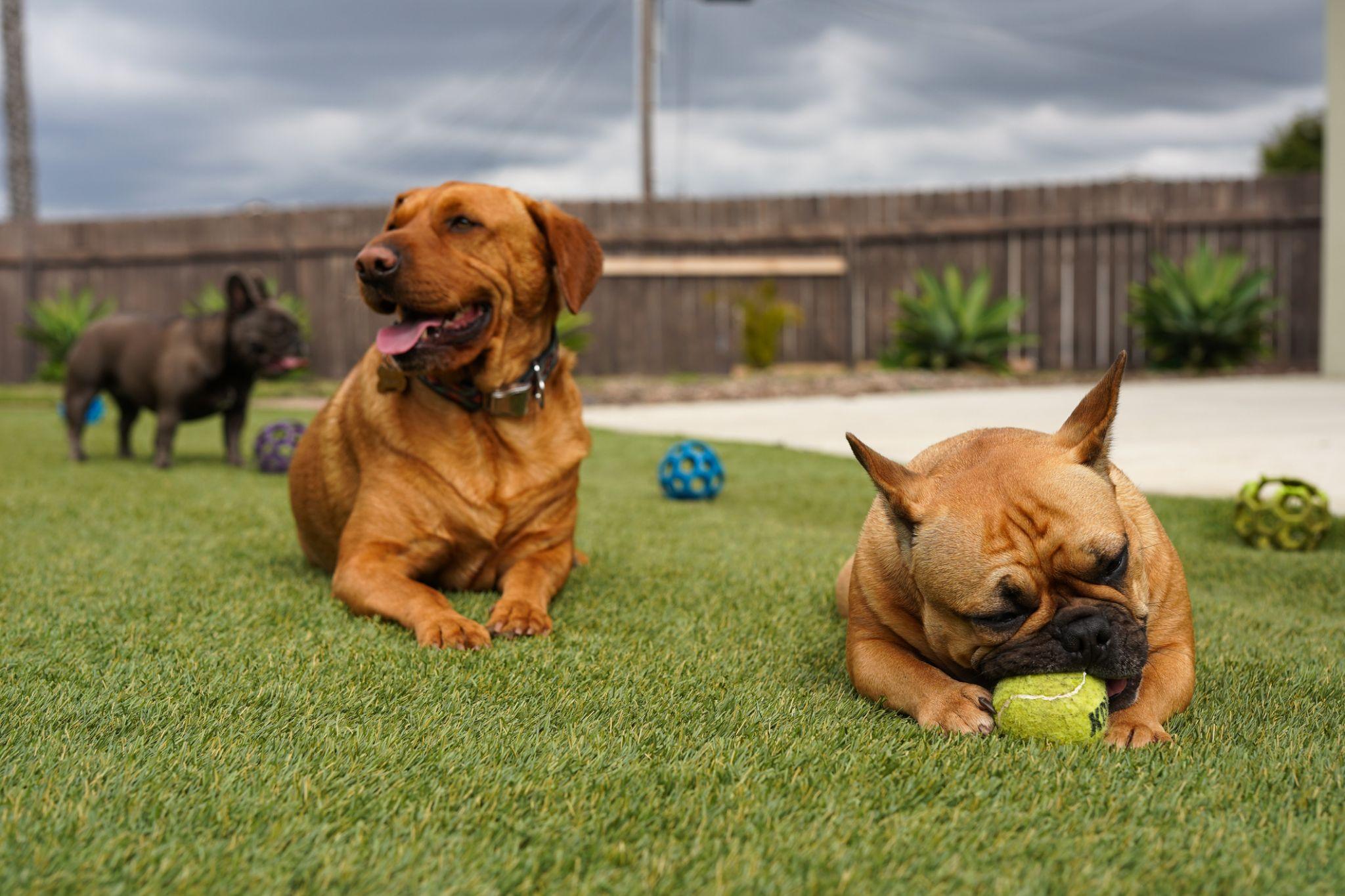
Pets and children bring joy to a home, but they can be hard on natural grass. Synthetic turf can be designed to meet their needs.
Pet‑Friendly Benefits
Specialized pet turf is durable and dig‑proof. It resists damage from paws and claws and looks pristine even when dogs play rough. Pet turf also stays clean; there are no mud patches or dirt tracked into your home. Because there’s no soil, insects, and allergens are reduced, making the yard healthier for pets and humans. A water‑saving surface means urine won’t create brown spots, and a quick rinse keeps the area fresh.
Pet‑Friendly Drawbacks
Even with these advantages, pet‑friendly synthetic turf pros and cons should be considered. Turf can get warm in direct sunlight. Choose low‑density turf and provide shade to minimize heat. Pet waste requires consistent cleaning to avoid odors. Finally, pet turf has a higher initial cost, but the long‑term savings in water and maintenance outweigh the upfront investment.
Play Areas For Children
Artificial grass is ideal for play areas. The surface is even, reducing tripping hazards. All‑rubber infill softens impact and provides better traction, resulting in fewer injuries. Unlike natural grass, synthetic turf does not turn to mud after rain, so play can continue immediately. And because there are no chemicals, parents gain peace of mind.
Considering the pet‑friendly synthetic turf pros and cons ensures you choose a surface that meets your household’s needs.
Synthetic Turf For Entertainment Including Golf Greens/Putting Greens
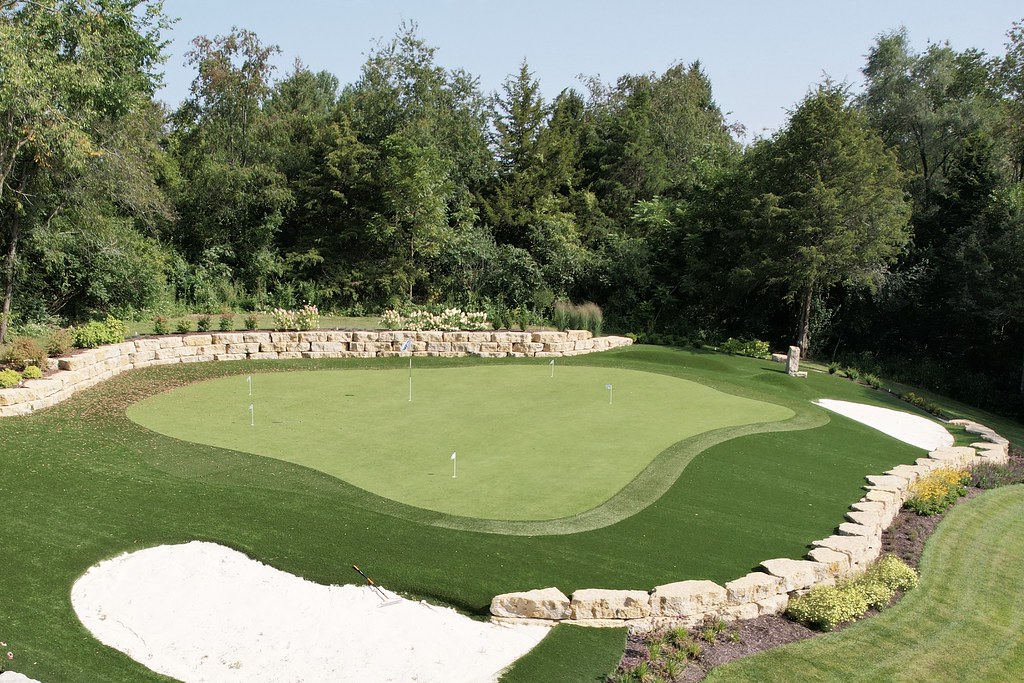
Synthetic turf turns your luxury yard into a place to entertain and relax.
Golf Greens And Putting Practice
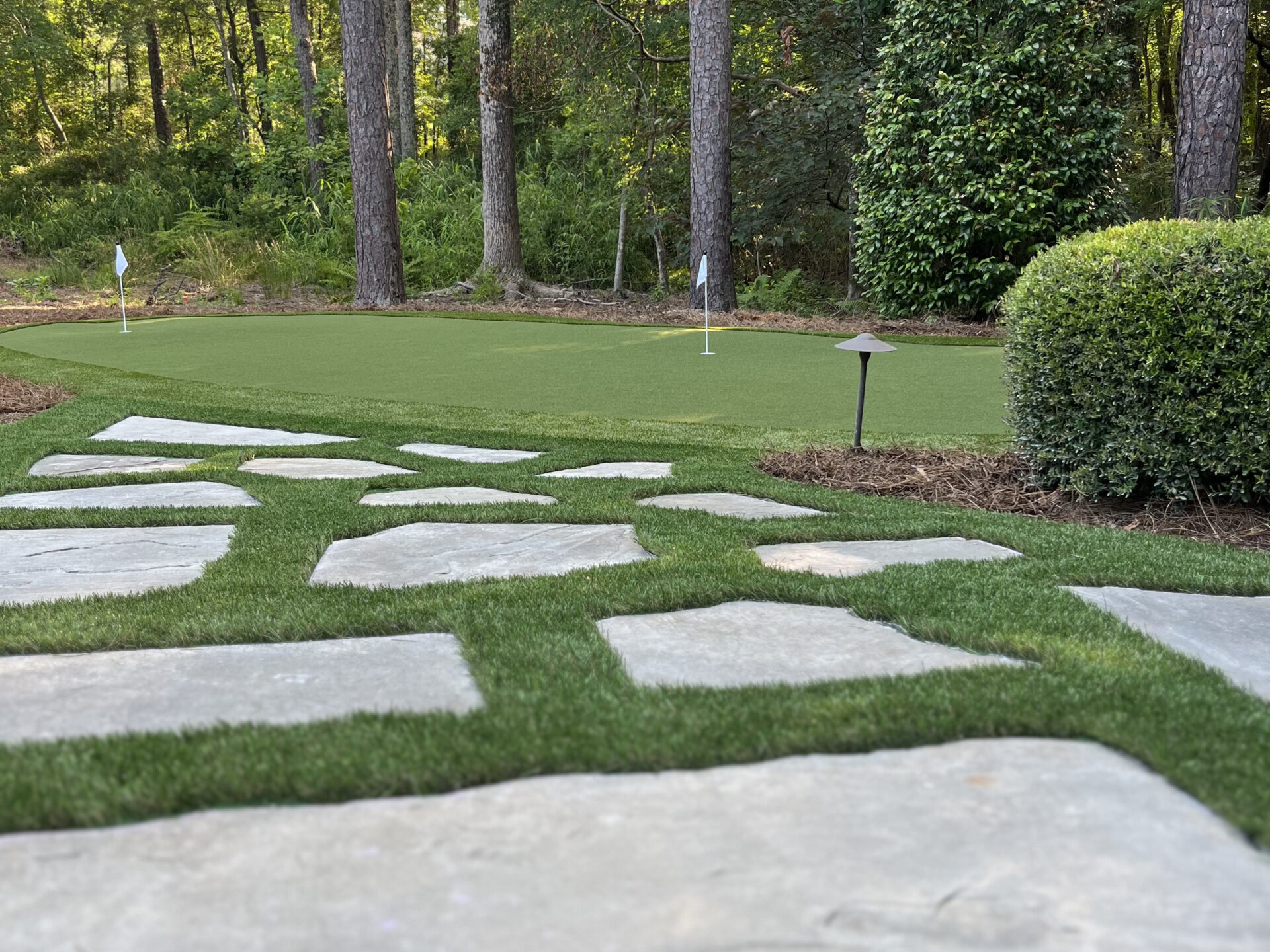
Personal putting greens use specialized turf with short, dense blades for a smooth ball roll. Practicing at home is convenient and improves your game, and your putting green becomes an entertaining feature when friends visit.
Sports And Multi‑Use Spaces
Synthetic turf can be used for bocce, lawn games, and small soccer fields; dense, durable turf provides consistent performance and protects other areas of your yard. ForeverLawn of the Carolinas offers sports turf designed for active use so you can host events without worrying about wear.
Comparing Synthetic Turf Vs Natural Grass For A Luxury Property
The choice between natural and artificial grass depends on your values and lifestyle. Below are key considerations.
Appearance And Ecological Impact
Natural grass offers a living landscape that absorbs carbon dioxide and supports biodiversity. However, it is susceptible to weeds, pests, and brown patches. Artificial grass stays uniformly green and doesn’t require pesticides, but it doesn’t provide the same habitat or oxygen production. For many homeowners, combining natural planting beds with synthetic lawns balances ecological benefits with practicality.
Maintenance Requirements
Natural lawns require regular mowing, watering, fertilizing, and weed control. Synthetic lawns require only occasional brushing and rinsing. If you travel frequently or prefer to spend time on other pursuits, the convenience of artificial turf is compelling. When you compare synthetic turf vs natural grass maintenance, the difference in time and money is striking.
Durability And Use
Artificial grass withstands heavy use and maintains its appearance. Natural lawns may need rest periods after events or heavy rain. For high‑traffic areas, synthetic turf is more resilient.
Safety And Comfort
Synthetic turf offers a consistent surface with cushioning to reduce injuries. Natural grass can become muddy and slippery, posing a risk for falls. For households with children or older adults, artificial grass can offer a safer environment. It offers a hypoallergenic option for allergic pets and humans.
Financial Considerations
Artificial turf has higher upfront costs but eliminates ongoing expenses for water and lawn care. Over time, cost savings can exceed the initial investment.
Environmental Factors
Natural grass absorbs carbon dioxide and cools the environment through evapotranspiration. Artificial turf conserves water and reduces chemical use. When produced ethically, turf often contains recycled materials and can be recycled at the end of life. Ultimately, the environmental impacts depend on installation practices, product choices, and how the yard is used.
Maintenance And Lifestyle Considerations
When comparing synthetic turf vs natural grass maintenance, think about how much time you want to devote to your yard. Natural grass needs weekly mowing, fertilizing, and irrigation, while artificial grass requires only the occasional brush and rinse. For busy professionals, the ease of synthetic turf for homes means more weekends spent enjoying family and hobbies. At the same time, the benefits of artificial grass for homeowners go beyond saving time: there are no pesticides, no mud after rain, and no need to repair brown patches after parties. With natural grass, you might worry about the cost and environmental impact of constant upkeep; synthetic turf eliminates those worries.
Synthetic turf also provides stability across seasons. Realistic artificial grass for residential yards uses multi‑tone blades, thatch layers, and matte finishes to look lush year‑round. Natural grass can go dormant or turn brown in extreme heat or cold. For a luxury property that must impress guests whenever they visit, artificial turf ensures consistent beauty.
Weighing Pros And Cons For Families And Pets
When it comes to pets and play, consider the pet‑friendly synthetic turf pros and cons. Dogs won’t dig holes or track mud into your house, and children have a soft, even surface for games. However, you’ll still need to clean up pet waste and occasionally rinse the turf. With natural grass, cleaning may seem straightforward, but mud and allergens can make pet areas uninviting. Making an informed choice means understanding how your family will use the yard.
Making Your Decision
Ultimately, your decision should align with your lifestyle and values. If you enjoy gardening and don’t mind mowing, natural grass may be rewarding. If you value leisure time and a pristine lawn, synthetic turf for homes may be a wise investment. Talk with a professional about the artificial turf installation process step by step; seeing how thorough the preparation and installation are will give you confidence in the result. For homeowners who prioritize sustainability and a neat appearance, the benefits of artificial grass for homeowners also offers water savings, reduced emissions, and a consistent, manicured look that can enhance your property’s value.
How To Choose The Right Synthetic Turf Type For Your Yard
Selecting the right product ensures your lawn looks good and lasts. Consider these factors when planning your yard.
Identify The Primary Use
Determine whether the area will be used for leisure, pets, play, sports, or a mix. Different turf products cater to each need. A plush lawn for lounging uses longer fibers; a dog run benefits from shorter blades and better drainage; a putting green needs a tight surface.
Match Regional Grass And Aesthetics
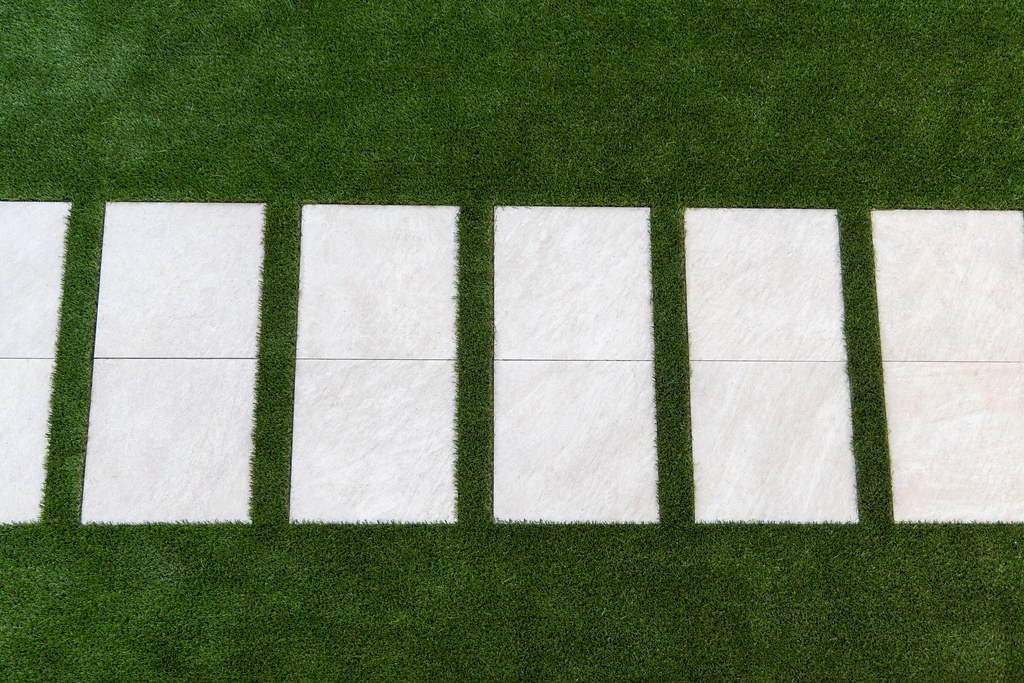
Choose a turf color and texture that matches local grasses. Multi‑tone products with brown thatch look more authentic. Avoid overly shiny products; a matte finish looks natural. Ask your installer for samples to compare.
Consider Blade Shape And Density
For comfortable walking and visual appeal, choose dense turf with S or V‑shaped blades. Higher density means more fibers per square foot, which reduces matting and improves resilience. For sports areas, lower density may be appropriate to reduce heat and aid drainage.
Choose The Right Infill
Infill material affects cushioning, drainage, and temperature. Silica sand provides firmness; rubber offers more bounce; cork is eco‑friendly. Antimicrobial infill helps control odors in pet areas. Consult your installer about the best choice.
Plan For Drainage And Base Preparation
Proper drainage prevents pooling and extends the turf’s life. A local installer understands soil types in your area and designs the base accordingly. Poor drainage can void warranties and reduce turf lifespan.
Evaluate Warranties And Support
Look for products with manufacturer and installation warranties. Comprehensive coverage indicates product quality. Understand what’s included and excluded, and confirm the warranty’s length.
Consult A Professional
A trusted installer can help you evaluate options, present samples, and design the layout. Their expertise ensures the turf fits your property and lifestyle. ForeverLawn of the Carolinas prides itself on matching products to clients’ needs and standing behind its work.
Why Working With A Local, Experienced Installer Matters
A quality product is only as good as its installation. Hiring an experienced local company delivers several advantages.
Skilled Craftsmanship
Professional installers have years of experience and know how to prepare the base, join seams, and apply infill correctly. Skilled installers deliver superior service quality and save homeowners time and money. Attempting a DIY installation can result in visible seams, poor drainage, and a shorter lifespan.
Local Knowledge
Installers familiar with your region’s soil and climate recommend the right product and techniques. Local knowledge ensures proper drainage and long‑lasting results. In Raleigh Community, for example, a company like ForeverLawn of the Carolinas understands how humidity, soil composition, and regional grasses affect turf selection and installation.
Comprehensive Services And Support
Local companies provide comprehensive services beyond installation. They help with design, site preparation, product selection, and ongoing maintenance. A strong warranty indicates they stand behind their work and will return if issues arise. Building a relationship with a local installer means you have someone to call for future expansions, repairs, or advice.
Integrity And Community
ForeverLawn of the Carolinas is part of the Raleigh community and values integrity. We offer specific products for specific uses and provide 15‑year product warranties and 2‑year installation warranties. In an industry where some providers vanish after installation, working with a reputable local business ensures accountability and long‑term support.
Final Thoughts And Next Steps
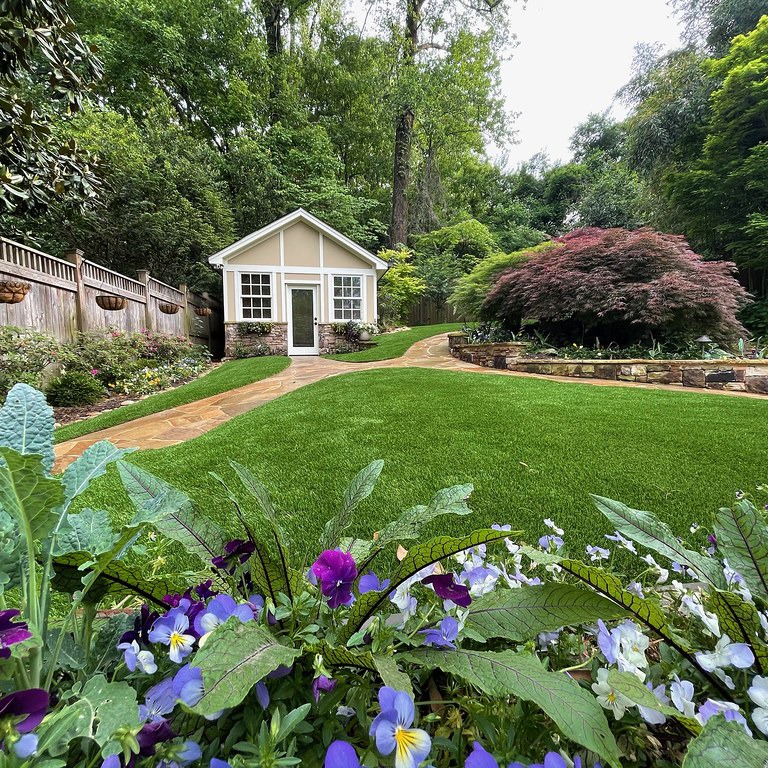
Synthetic turf turns your yard into a luxurious, low‑maintenance oasis. By using multi‑tone blades, realistic thatch and advanced materials, modern turf looks and feels authentic. The benefits include drastic reductions in maintenance and water use, durability under heavy use, and a safe, chemical‑free surface for children and pets. Warranties and professional installation protect your investment.
ForeverLawn of the Carolinas offers tailored products and local expertise. Whether you want a pristine lawn, a pet area, or a putting green, they help you select and install the right turf. Investing in turf is about reclaiming your time and enjoying your space.
Ready to explore how synthetic turf for homes can enhance your property? Start with a conversation. Get a free consultation.
Summary
Synthetic turf for homes gives you the lush look of natural grass without constant maintenance and reflects the quality and value you expect. Synthetic turf is a luxury landscaping solution that resembles natural grass using multi‑tone fibers and realistic thatch. Homeowners choose it for its low maintenance requirements, water conservation benefits, and durability. Artificial lawns eliminate the need for pesticides and mowing, creating a safer environment. High‑quality turf lasts 8–15 years and is backed by warranties covering materials and installation. Installation follows a step‑by‑step process. Pet‑specific turf offers durability and clean play spaces while requiring prompt waste removal. Choosing a local installer ensures proper product selection and long‑term support. Synthetic turf gives luxury homeowners a pristine lawn without weekend upkeep.