
Creating a realistic lawn can feel challenging when natural grass doesn’t always cooperate with shade, soil differences, or seasonal conditions. Many luxury homeowners explore realistic artificial grass for residential yards because they want a surface that maintains its appearance without losing its natural character. Yet the concern often remains that synthetic turf might look too uniform or feel artificial. You want something refined that blends into your outdoor space instead of standing out in the wrong way.
That uncertainty can grow when you’ve seen outdated turf or low-quality products when you need artificial grass that looks like real grass. Yards that look overly shiny, flat, or monotone can make the entire property feel less inviting. For homeowners who expect their landscape to reflect the quality of the rest of their home, that’s a valid point of hesitation.
Fortunately, today’s modern turf systems are engineered to avoid those issues. The right product brings together advanced blade construction, layered color, premium materials, and thoughtful installation practices to create something truly believable. When you understand how these elements work together, you can feel confident choosing a surface that fits your home’s expectations for style and performance.
What Makes High-End Turf Look Real?
Creating realistic artificial grass for residential yards starts with understanding what gives natural lawns their character. Real grass has movement, varied tones, and irregular textures that shift with sunlight and foot traffic. High-end turf mirrors these qualities by combining structural details and careful color design that work together to create a lawn that feels authentic from every angle.
- Lifelike Synthetic Turf Blades: Modern blade designs bend and reflect light the same way natural grass does. This makes the surface look softer and more dimensional, while lifelike synthetic turf blades add the natural irregularities that help turf blend with surrounding landscape elements.
- Layered Color Tones: Multi-hue fibers help replicate the depth found in healthy grass. Subtle variations of green and tan reduce uniformity and keep the lawn from looking flat or artificial.
- Structured Fiber Support: A reinforced blade system helps the grass remain upright, maintaining fullness even after repeated use. This creates a surface that continues to look well-kept over time.
- Natural Movement and Texture: High-end turf is designed to respond to wind and foot movement the same way natural grass does, giving the yard a lived-in feel without losing its clean appearance.
How Do Blade Shapes, Colors, And Textures Improve Realism?
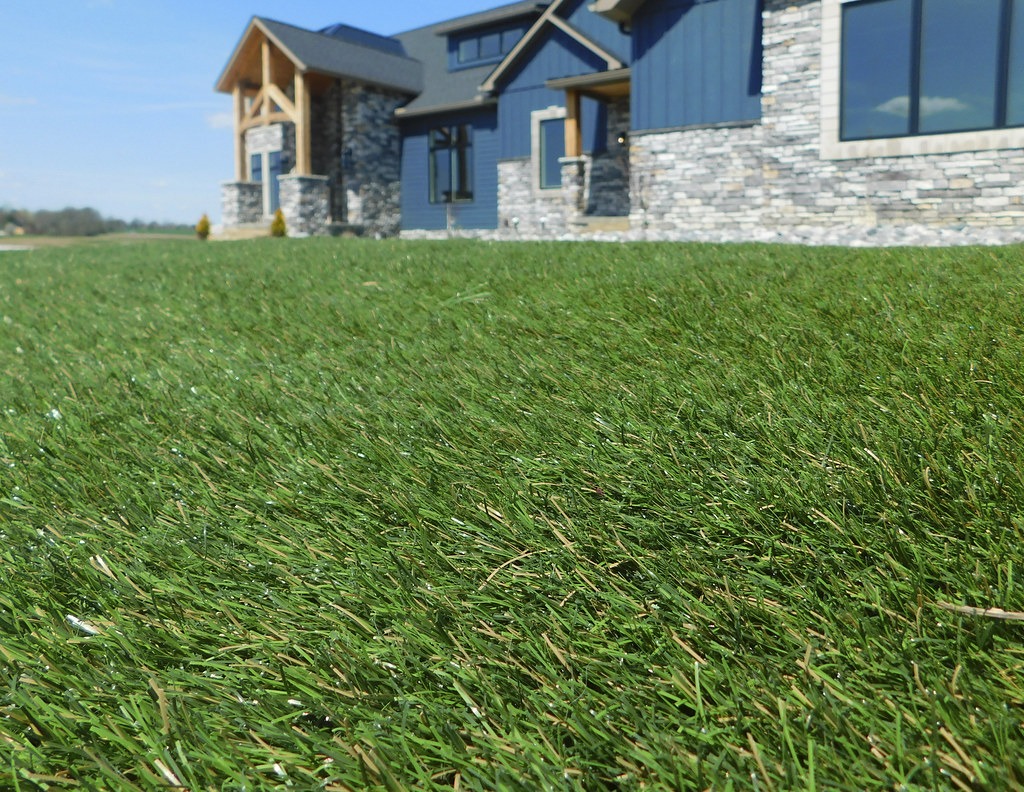
The fine details of turf design play an important role in creating realistic artificial grass for residential yards. Homeowners often notice realism when the blades reflect light naturally, vary in shade, and show the same subtle irregularities found in well-kept natural lawns. These characteristics come from thoughtful engineering rather than a single design feature, which is why blade construction matters so much.
Blade Profiles And Movement
Modern turf uses a range of blade shapes to create natural variation. Some blades stand more upright, while others curve slightly to mimic the way real grass moves when stepped on or brushed by wind. This diversity helps reduce uniformity and supports a more believable appearance.
Color Blending For Depth
A realistic lawn rarely holds a single shade of green. High-end products use layered tones to capture the complexity of natural growth. This is where multi-tone artificial grass contributes significantly. Blending different shades softens the surface visually and creates dimension that keeps the lawn from looking flat or artificial.
Supporting Textures And Thatch Layers
Natural grass has subtle texture changes from top to bottom, which is why synthetic turf includes an integrated thatch layer. These shorter fibers add density and create the soft, irregular look found in healthy lawns. When paired with textured blade surfaces, the result is turf that maintains realism even when viewed up close.
Light Reflection And Natural Finish
Older turf often appeared shiny because it reflected light in a uniform way. High-end blade materials solve this issue with matte or micro-textured finishes that mirror how real grass interacts with sunlight. This reduces glare and helps maintain the smooth, grounded appearance homeowners expect.
Why Do Some Turf Products Feel More Natural Underfoot?
Homeowners with luxury properties care about the full experience, not only how the lawn looks but how it feels. When evaluating realistic artificial grass for residential yards, comfort is often just as important as appearance.
The feel of turf comes from both fiber softness and the density of the grass. Softer blades provide a gentle touch, while higher-density designs create a cushioned, responsive surface. When paired with high-quality infill, you get a texture that feels balanced and supportive without being overly firm.
This is where premium turf texture and feel becomes a defining feature. Advanced materials allow the surface to stay comfortable during warm weather, resist matting, and support natural foot movement. Your experience walking across the lawn should mirror the sensation of stepping onto well-maintained natural grass.
When these elements work together, the realism becomes holistic: you see it and you feel it.
How Does Backing Quality Help Create A Realistic Lawn?
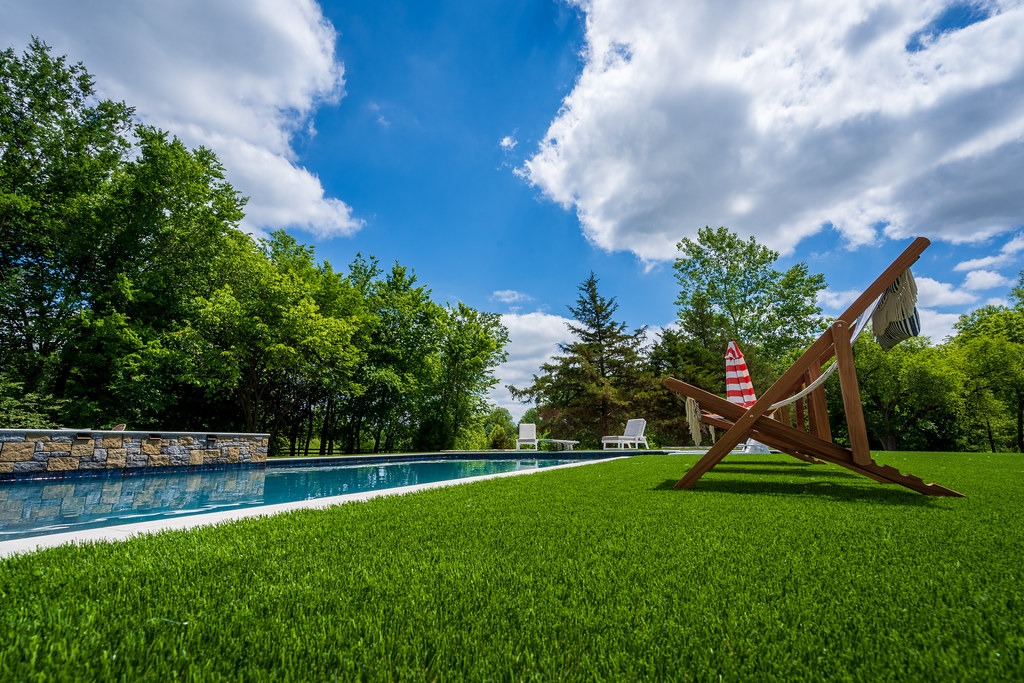
The appearance of realistic artificial grass for residential yards relies heavily on what you don’t see: the backing system. A strong backing ensures the blades stay upright, maintain their spacing, and move naturally when wind or foot traffic passes over them.
ForeverLawn uses a three-layer backing system that enhances stability and durability. Each layer serves a purpose: supporting the blade, securing its position, and allowing the lawn to remain breathable. When blades stay upright without shifting or flattening, the lawn retains its real-grass look far longer.
This structure also supports drainage, which subtly influences realism in meaningful ways. A yard that drains properly avoids puddling or compacted areas, allowing the turf to continue mimicking natural ground conditions. When movement, softness, and structure feel right, the overall visual effect follows naturally.
How Do You Avoid The “Plastic Lawn” Look?
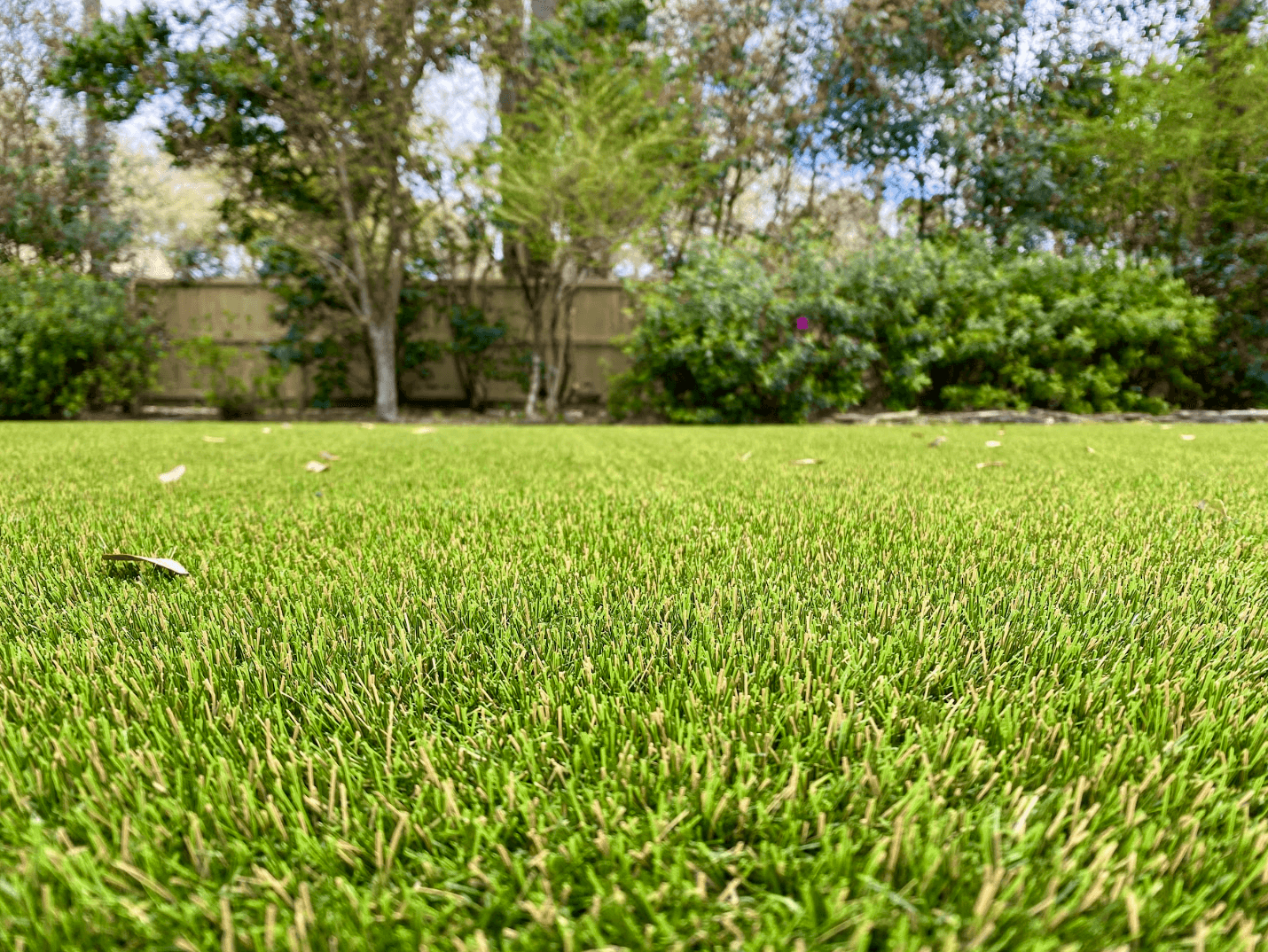
Many homeowners considering realistic artificial grass for residential yards want reassurance that their lawn won’t appear shiny or artificial. The concern usually comes from seeing older turf installations that lacked color depth, realistic fiber profiles, or natural movement. Modern products have advanced significantly, and the right materials can create a surface that blends into your landscape with ease.
A big part of avoiding the overly uniform or glossy look comes from design choices within the turf itself. High-quality products use mixed blade shapes, matte finishes, and subtle color variations to create a believable appearance. These details work together to prevent harsh reflections and ensure the surface interacts with sunlight the way natural grass would. This is where understanding how artificial grass mimics natural grass becomes helpful, because the most realistic options lean on layered tones, soft textures, and supportive backing to achieve a natural finish.
Below are key elements that help you avoid the “plastic lawn” effect:
- Blended color variations: Multi-toned fibers create visual depth and prevent the flat, single-shade appearance that older products often showed.
- Matte blade finishes: Reduced shine keeps the turf from reflecting light unnaturally, helping it resemble a well-maintained organic lawn.
- Realistic blade structure: Slight curves, varying widths, and natural movement give the turf a lived-in feel instead of a rigid, manufactured look.
- Textured thatch layers: These shorter, varied fibers imitate the underlayer of natural grass, adding softness and depth while grounding the overall appearance.
- Balanced fiber density: Proper spacing ensures the surface doesn’t look overly packed or too sparse, both of which can make turf appear artificial.
How Do You Choose The Right Turf For Your Yard’s Style?
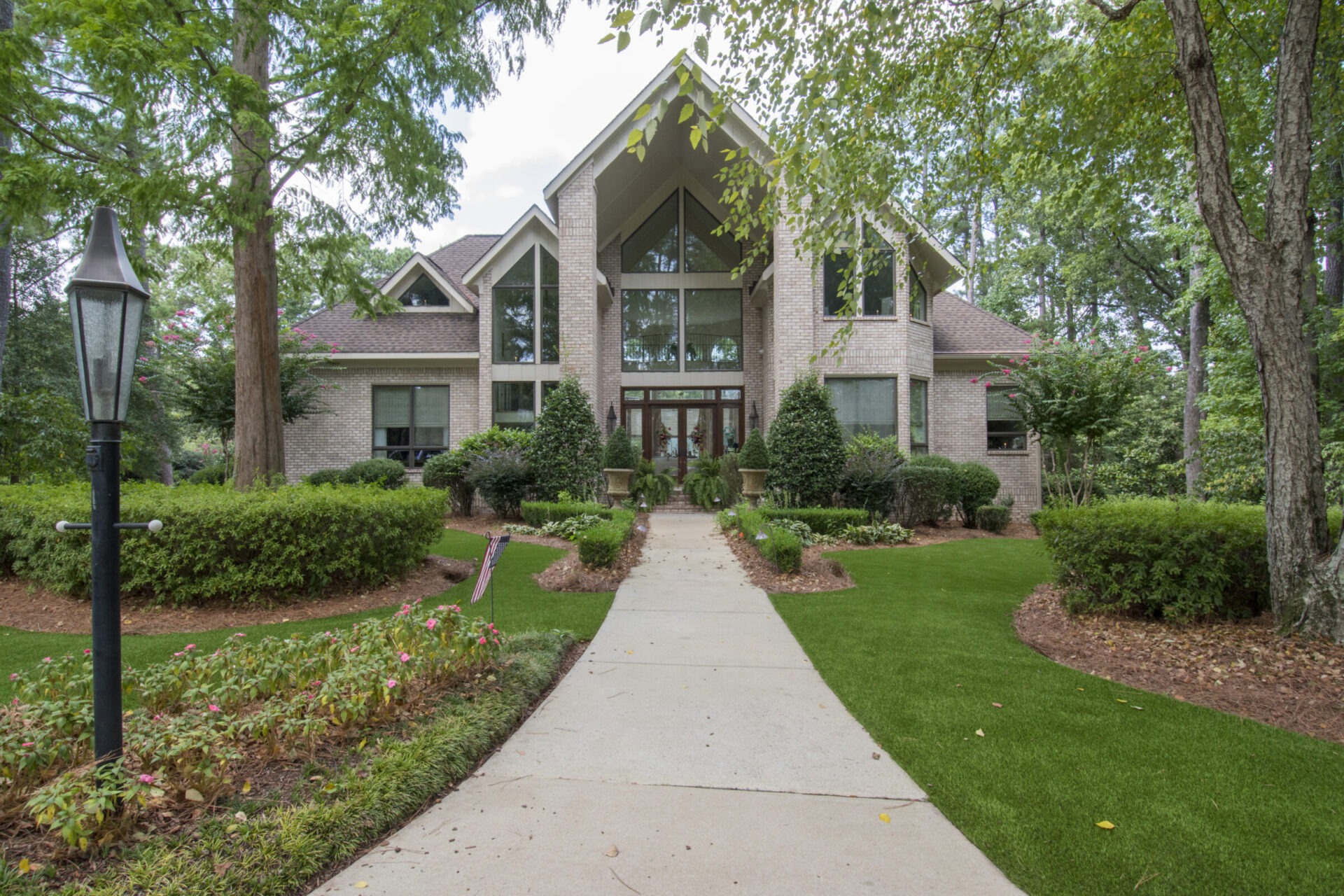
Choosing realistic artificial grass for residential yards often comes down to matching the material to the overall aesthetic of your outdoor space. A yard that incorporates contemporary hardscapes may benefit from a sleek, neatly trimmed turf profile, while a more organic garden landscape may look best with slightly taller, varied grass tones.
This is where product variety matters. Not every yard calls for the same fiber height or color mix. Luxury homeowners often evaluate turf based on how it complements their existing architecture, outdoor furniture, lighting design, and plant selections. With multiple options available, you can choose a lawn that feels cohesive rather than generic.
Your lifestyle also influences the best fit. Heavy pet use, frequent gatherings, children’s play areas, and putting greens each require specific performance features. A well-matched product supports daily use and maintains its realism long-term.
How Does Product Variety Help Match Your Lifestyle?
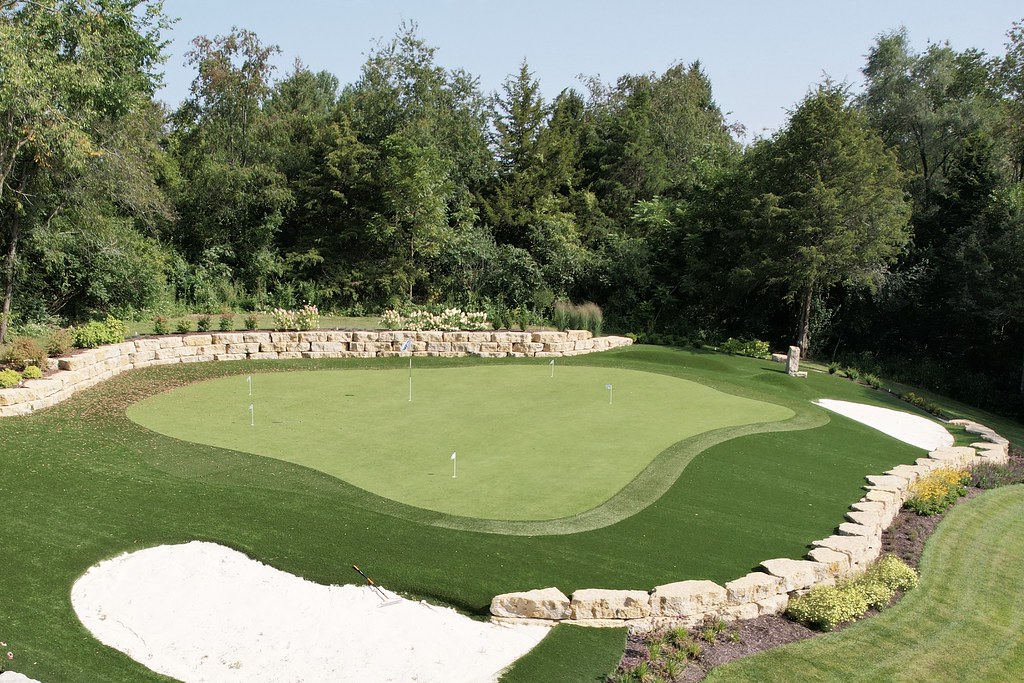
One of the most appealing aspects of choosing realistic artificial grass for residential yards is the ability to tailor the material to your daily routine. Families who enjoy spending time outside want a lawn that fits their needs without constant upkeep.
ForeverLawn of the Carolinas offers a wide range of products designed for specific purposes: dog areas, playgrounds, golf surfaces, and luxury lawns. This level of variety helps you choose exactly what works for your property instead of settling for a one-size-fits-all solution. When you select a product engineered for your lifestyle, you gain both longevity and realism.
This approach also reduces long-term frustration. When turf is designed to support your exact use case, it remains attractive, resilient, and consistent, giving you a dependable foundation for outdoor enjoyment.
What Should You Consider Before Moving Forward?
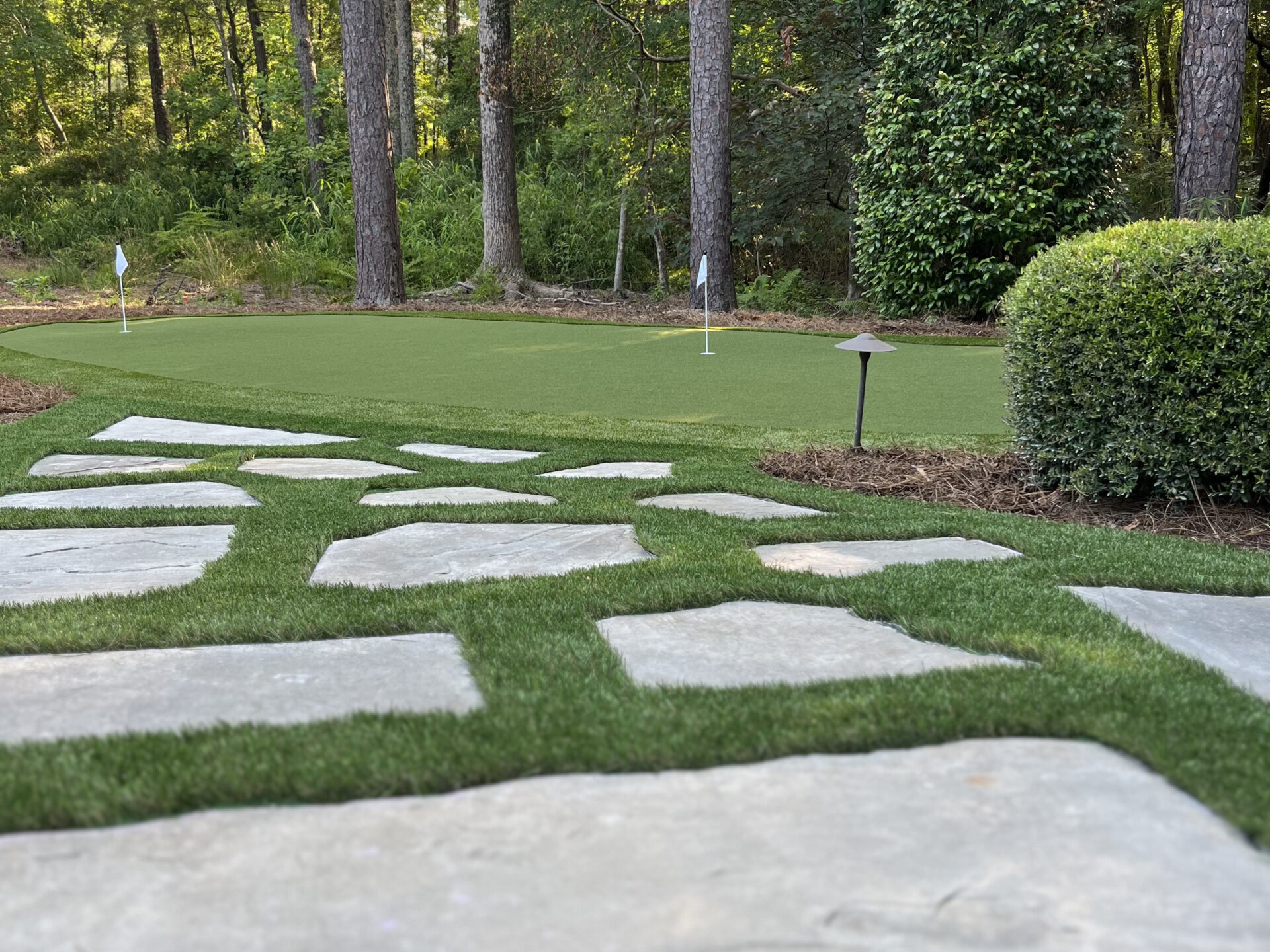
Choosing whether synthetic turf is right for your property starts with understanding how realistic artificial grass for residential yards performs in both appearance and everyday use. The most convincing products bring together blade design, layered color, texture, and strong backing systems to deliver a surface that looks and feels natural. Many homeowners appreciate how these features come together to create realistic turf for luxury lawns that remain elegant across all seasons.
At ForeverLawn of the Carolinas, we take pride in offering products tailored to specific needs, rather than a single model for every yard. We invest in advanced materials, thorough installation practices, and a service approach built on dependability. Our work is backed by strong warranties, and we’ve built lasting relationships across our local community by delivering quality that stands up to daily life.
If you’re ready to explore turf options that balance beauty, durability, and comfort, we’re here to guide you through your choices with clarity and experience. You deserve outdoor spaces that reflect the quality of your home, and we’re committed to helping you achieve that. Get your free consultation for a professional lawn transformation service.
Summary
This blog explored how realistic artificial grass for residential yards is created through thoughtful blade design, color blends, backing systems, and material quality. Understanding how artificial grass mimics natural grass, how texture and feel influence realism, and how product variety matches different lifestyles helps homeowners choose a lawn that complements their space with confidence.