

Overview
Are you tired of staring at matted traffic lanes, stubborn pet odors, or dull pollen buildup on your synthetic turf? You invested in artificial grass to eliminate mowing, fertilizing, and endless yard work, not to spend your weekends guessing how to scrub it. While synthetic turf dramatically cuts down on maintenance, it isn’t entirely “set it and forget it.” Without the right approach, organic debris can trap moisture, pet urine can crystallize in the infill, and heavy foot traffic can flatten your lawn.
The good news? Keeping your turf looking pristine, smelling fresh, and draining properly takes just a fraction of the time required by natural grass. In this guide, we’ll walk you through the exact steps, technical specs, and expert-backed techniques to clean and maintain your artificial turf for years to come.
Table of Contents
- How to Build an Artificial Grass Maintenance Schedule
- Step 1: Clear Surface Debris Before Rinsing
- Step 2: Brush Matted Turf Fibers to Restore Posture
- Step 3: Clean Pet Turf and Neutralize Urine Odors
- Step 4: Prevent Artificial Grass Mold and Mildew
- Step 5: Protect Your Turf from Heat and Chemical Damage
- How to Tailor Turf Care to Your Property
How to Build an Artificial Grass Maintenance Schedule
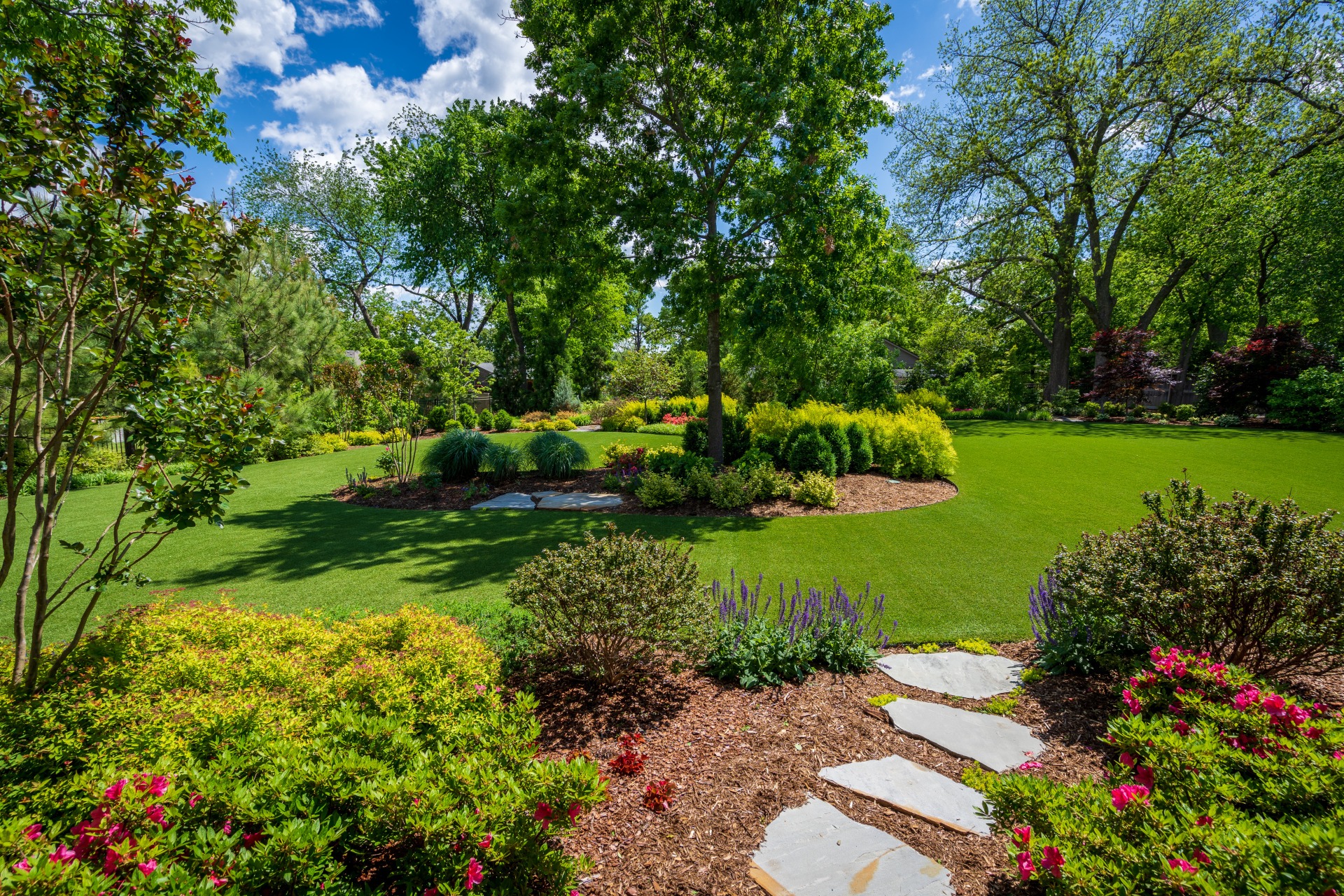
Although artificial grass requires far less maintenance than a natural lawn, it still needs regular care. The ideal schedule depends on foot traffic and outdoor activity; a quiet front yard needs much less attention than a busy backyard with dogs, kids, trees, and a frequent path to the patio.
Most lawns require three simple upkeep tasks:
- Remove debris: Clear leaves, twigs, and pet waste.
- Rinse fibers: Flush away dust, pollen, and light residue.
- Brush blades: Lift flattened fibers back into an upright position.
These quick tasks are easy to stay on top of because your lawn clearly signals when it needs attention. Fallen leaves are obvious, a dusty surface looks dull, well-worn pathways begin to flatten, and pet areas develop an odor if urine residue lingers in the turf.
Handle messes when they happen
Always pick up solid pet waste before using a leaf blower or power brush. Wipe up food spills promptly to prevent pests and organic buildup, and clear away sharp branches or objects that could puncture or tear the surface.
Unlike soil, artificial grass cannot naturally break down organic debris; anything left behind stays on the turf until it is removed. Over time, trapped organic material holds moisture, creating an ideal environment for mold, mildew, and weeds to take root.
Let the seasons shape the work
Every spring, North Carolina’s thick yellow pollen settles on artificial lawns just as it does on cars, porches, and outdoor furniture. While this dust can temporarily dull your lawn’s color, it won’t stain the turf. A good rain usually washes it away, though a quick spray with a garden hose works just as well if you don’t want to wait.
Fall requires a bit more effort. Left unchecked, fallen leaves break down into organic debris and trap moisture against the turf, particularly in shaded spots. Be sure to blow or rake them off before they form a heavy, damp layer.
Ultimately, your maintenance schedule is shaped by foot traffic, weather, tree cover, and accidental spills. Following basic turf care guidance, regular debris removal, occasional brushing, and periodic rinsing is all it takes to keep your lawn looking pristine year-round.
Step 1: Clear Surface Debris Before Rinsing
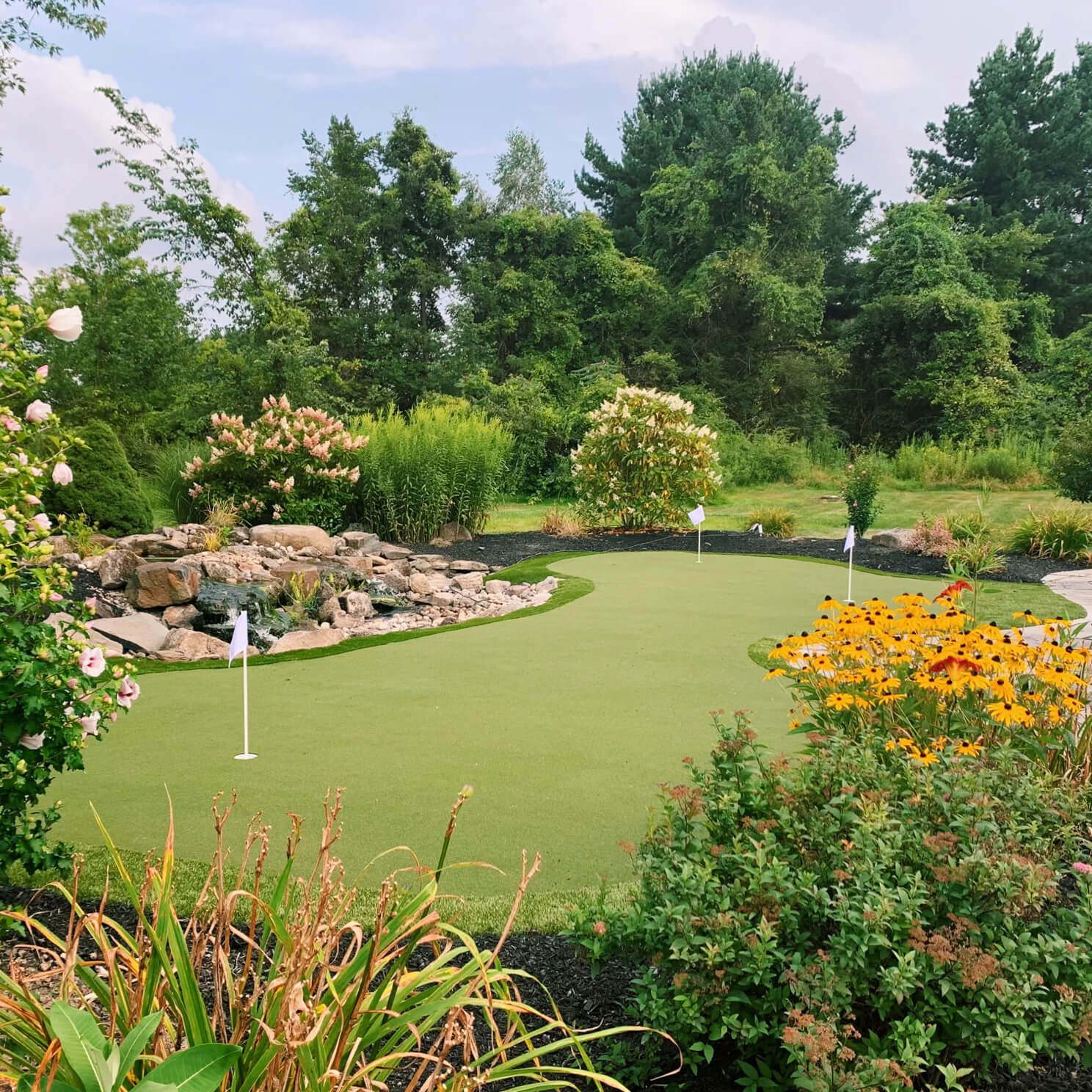
Start every cleaning session by clearing the surface. Water can carry fine dust through the turf, but it may push larger material deeper between the blades. Removing dry debris first makes rinsing faster and more effective.
A leaf blower works well for loose leaves, pollen clusters, and small twigs. Aim the airflow across the surface instead of straight down. Direct downward airflow can force debris into the fibers rather than moving it off the lawn, and displace the infill underneath.
A plastic rake or stiff synthetic broom can gather material that the blower misses. Avoid tools with sharp metal edges, which can catch fibers or disturb the surface. Use light pressure and work toward an edge where you can collect the pile.
Flush Away Dust and Pollen with Water
Once surface debris is cleared, rinse your turf with a garden hose to wash away fine dirt, pollen, and airborne dust. Use a standard spray nozzle set to a gentle shower or fan setting.
Direct the water stream at a slight angle, working systematically from one side of the lawn toward your property’s primary drainage points. This keeps fine particles moving smoothly off the surface rather than settling at the base of the blades. Regular rinsing also cools down synthetic turf on hot summer days and keeps the fibers looking crisp and clean.
Select Cleaning Products Safe for Synthetic Turf
Avoid bleach and straight household detergents. Bleach can pull dye from the turf and may weaken some backing materials. Strong detergents can also leave residue that attracts dirt or creates foam during later rinses.
We give owners a care document that identifies suitable products for their turf. If that information is unavailable, check with the installer or turf manufacturer before applying a household cleaner. Test any approved product in a small, less visible area and follow its label. Additionally, avoid salt-based de-icers or other corrosive chemicals on artificial grass. Keep gasoline, oil, and similar petroleum products off the turfs as well.
Step 2: Brush Matted Turf Fibers to Restore Posture
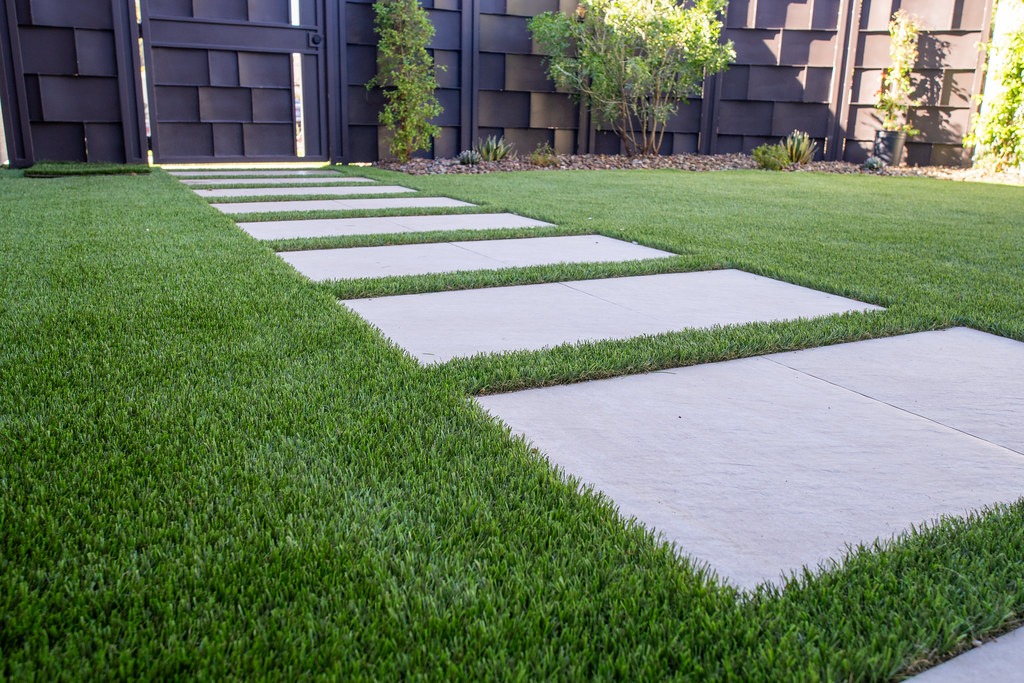
Over time, regular foot traffic flattens turf fibers in the direction people walk. This matting usually shows up first along high-use paths, such as between the back door and the patio, alongside a driveway, or where family members frequently cross the yard. Flattened blades don’t mean your lawn is worn out; they simply need grooming. Brushing the fibers against their natural grain quickly restores their upright position while redistributing the infill below to keep the surface level.
- For small areas: Use a stiff synthetic broom or plastic rake. Apply steady, overlapping strokes against the direction of the flattened blades without digging into the turf backing.
- For larger lawns: A gas or electric power brush offers a much faster solution. These machines look similar to small lawnmowers, but their high-speed rotating bristles lift matted fibers and clear trapped debris without cutting the turf.
- For nylon turfs: Use a handheld commercial steamer to reset the memory of blades. Targeted steam relaxes the nylon, easing wrinkles and restoring the original upright posture and shape, whether your turf has straight or curled blades.
Important: Never run a power brush or broom over solid pet waste. Always pick up and clean pet messes first to avoid embedding waste across your lawn. Finally, brush gently around seams and outer edges to avoid pulling at the turf or damaging the backing.
Focus on High Traffic Areas
Your entire lawn rarely needs grooming all at once. Focus your efforts strictly on high-traffic routes showing visible flattening, leaving upright areas alone. Spot-brushing saves time and avoids unnecessary tool wear on undisturbed turf.
Groom paths early, fibers bounce back far more easily when caught at the first sign of matting. A few quick passes against the grain are usually all it takes. If blades remain flat even after thorough brushing, it may indicate heavy localized wear that may require professional inspection.
Power brushing doesn’t follow a strict calendar schedule. Ideal timing depends on yard size, blade type, foot traffic, and tree cover. Plan to groom whenever blades look down or uneven, or debris builds up between fibers.
Step 3: Clean Pet Turf and Neutralize Urine Odors
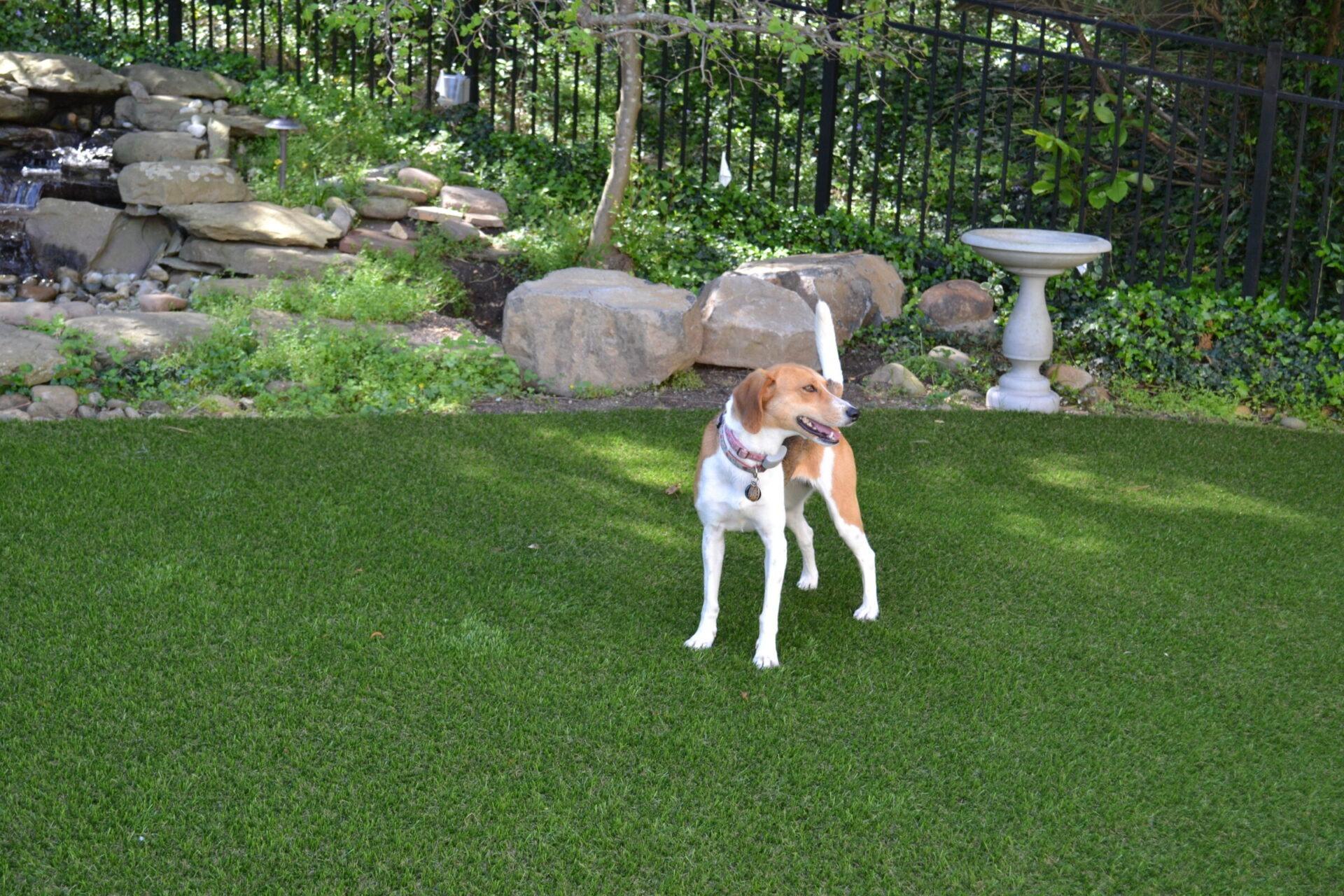
Managing pet waste requires the most attention in any turf care routine. While solid waste sits on top of the blades, liquid urine flows straight down between the fibers into the backing. A garden hose can dilute urine and flush away light residue, but water alone won’t break down the uric acid crystals that cause lingering smells.
Always pick up solid waste promptly, rinse the spot with water, and let it drain completely. Never run a leaf blower, broom, or power brush over the area until all solid waste is cleared, or you risk embedding waste deep into the fibers and infill.
Selecting the Right Cleaner for Urine Odor
Select an enzyme- or bacteria-based odor eliminator specifically formulated for synthetic turf. Rather than masking smells with heavy fragrances, these cleaners actively digest the organic matter and uric acid causing the odor.
To treat pet odors effectively:
- Spray the affected area generously with the enzyme solution.
- Keep the surface damp for 10 minutes so the active enzymes have time to break down compounds.
- Allow the area to air-dry completely, and repeat the treatment if any smell lingers.
Pro-Tip: Apply enzyme products around dawn or dusk. Direct sunlight and daytime heat cause the cleaner to dry out too quickly before it can finish working.
High-use dog runs and favorite bathroom corners require weekly spot treatments to prevent concentrated odor buildup. Even specialized systems like K9Grass, which feature fully drainable, knit construction, still rely on routine waste removal and enzyme cleaning to stay completely odor-free.
The Difference Between Deodorizing and Disinfecting Synthetic Turf
Homeowners often confuse odor removal with disinfection, but they are two completely different treatments that serve separate purposes. While enzyme cleaners digest organic residue to eliminate lingering smells, they do not sterilize or disinfect the surface.
Crucially, never apply an enzyme cleaner and a disinfectant on the same day. Disinfectants work by killing bacteria and biological agents, which means applying one simultaneously with or right after an enzyme cleaner will kill the beneficial, odor-eating bacteria in the enzyme solution, effectively neutralizing the performance of both products.
If a specific sanitation issue or severe contamination requires disinfection, complete your enzyme treatment first, then wait at least 24 hours before applying a turf-approved disinfectant. Use only a product explicitly approved for synthetic turf, confirm chemical compatibility with your installer or turf manufacturer, follow label directions precisely, and never default to bleach as a quick fix.
Additionally, while premium options like ForeverLawn feature built-in antimicrobial technology, these product features aren’t a replacement for basic maintenance. You should still physically remove leaves, solid waste, spills, or urine residue from your lawn.
Step 4: Prevent Artificial Grass Mold and Mildew
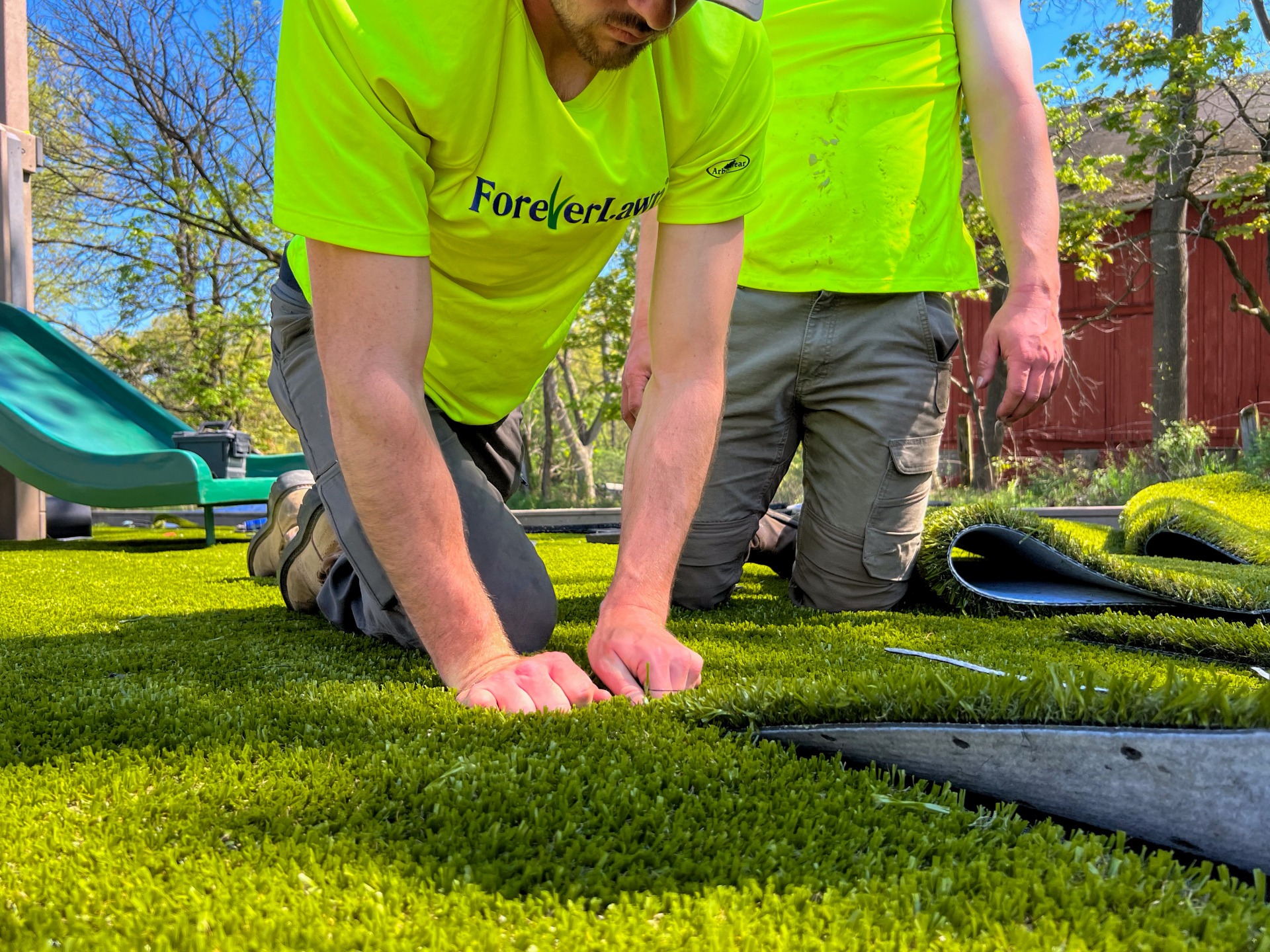
Mold is exceptionally rare on artificial grass that drains and dries properly. It is most commonly found on golf putting greens, where the landscape relies on surface drainage rather than vertical drainage to shed water off the edges. Mold can take hold when two conditions are present: moisture and an organic food source. Decomposing leaf litter, pet waste, and food spills provide the organic material mold needs to grow, while shaded areas can prevent moisture from evaporating, especially when water collects in low spots, creating the damp conditions that allow mold and mildew to take hold.
Take time to inspect the perimeters along fences, retaining walls, and under dense tree canopies. These shaded zones receive less sunlight and airflow, causing them to stay damp much longer than open areas. Pull back any accumulated leaves and check for musty odors, dark discoloration, or residue between the blades.
At its root, turf mold is caused by poor drainage and trapped organic debris. Simply spraying the visible growth won’t fix the underlying problem. Eliminating the organic buildup and correcting the source of moisture are essential to keeping mold from returning. For a fast, budget-friendly hack to eliminate mold and mildew without buying expensive chemical turf sprays, make a soapy water solution by filling a backpack sprayer with water and mixing in standard liquid dish soap at a ratio of about 1 to 2 tablespoons of dish soap per gallon of water. The soap acts as a mild surfactant to break down mold spores and loosen their grip on the turf fibers. Spray the solution generously over the moldy patches, letting it soak in for a few minutes. Then, use a stiff-bristled push broom to scrub the area, manually pushing the loosened mold and mildew off the turf surface. Rinse thoroughly afterward.
Safely Eliminate Suspicious Mold Growth
When tackling visible mold, clear away loose debris carefully without spreading it to clean areas of your lawn. Treat the affected spot with a turf-safe enzyme cleaner, rinse or remove it according to the label instructions, and keep children and pets off the area until it is completely dry.
Avoid using bleach. While it might seem like a quick fix, bleach can permanently fade blade colors and break down the underlying backing materials. A turf-safe enzyme product is far safer for your lawn.
If mold continues to return, the issue is likely beneath the surface. Standing water, slow drainage, or prolonged dampness indicate a sub-base drainage problem that pouring on extra cleaner won’t fix.
Finally, keep in mind that neglected leaves and debris don’t just fuel mold, they also create a fertile organic layer where weed seeds can take root. Staying on top of routine debris removal is much easier than turning your regular lawn care into a weed removal project later.
Step 5: Maintenance Tips to Maximize Turf Longevity

While regular cleaning maintains appearance, odor control, and performance, protecting your lawn also means managing what comes into direct contact with it. Preventing physical and chemical damage is just as important as your routine cleanup.
- Keep Heat Sources Away: Keep cigarettes, charcoal grills, fire pits, or fireworks away from synthetic turf. High heat and open flames will quickly singe, melt, or permanently deform the synthetic fibers. Always position cooking equipment on a heat-safe patio, paver pad, or designated hard surface.
- Avoid Chemical Spills: Do not store fuel containers, refill lawn mowers, or service power equipment on your artificial lawn. Gasoline, motor oil, and petroleum products can degrade the turf backing and weaken the fiber bonds. If a spill occurs, clean it immediately using only products confirmed as safe for your specific turf system.
- Manage Heavy Weight & Heat: Heavy patio furniture and high-traffic gear can flatten fibers over time. Shift portable furniture periodically and brush the area afterward to help blades bounce back. Keep in mind that direct summer sun increases surface temperatures; while this won’t change your cleaning routine, light water mists can help cool the lawn down for comfortable use.
How Routine Maintenance Prevents Early Turf Decline
Neglecting minor lawn care leads to issues that become much harder to correct over time. Uncleared leaves decompose into a damp organic layer, urine residue builds into persistent odors, and unbrushed walking paths become permanently matted.
A well-maintained lawn sheds water and debris far more effectively because the surface remains open, level, and unobstructed. Keeping your lawn clean also makes it much easier to spot minor issues early, such as lifted edges, loose seams, or damaged fibers, before foot traffic makes them worse. (Keep in mind that structural repairs require a different approach than routine cleaning and should be evaluated separately.)
While premium installations like ForeverLawn can last over 20 years, every lawn’s actual lifespan depends on a mix of product quality, expert installation, local weather, and foot traffic. Routine maintenance won’t guarantee a fixed timeline, but it prevents early decline, ensuring your lawn performs reliably for as long as possible.
How to Tailor Turf Care to Your Property
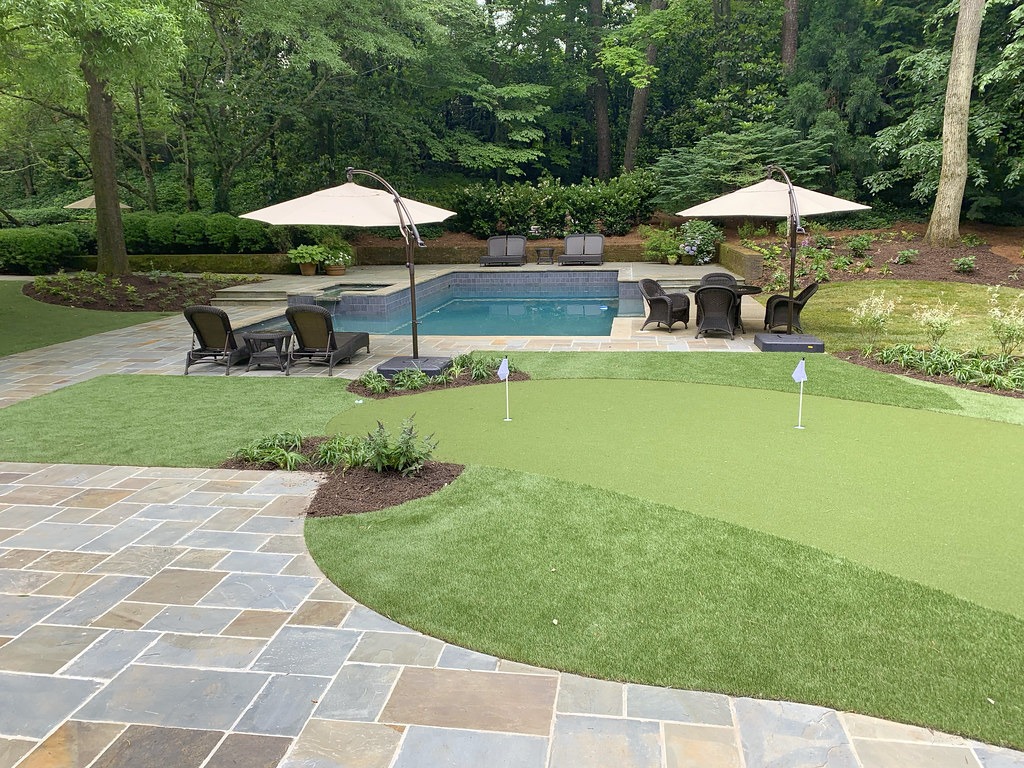
A practical turf routine doesn’t need to dominate your weekend schedule:
- Clear leaves and waste as they appear.
- Rinse the surface when dust or pollen dulls its shine.
- Brush high-traffic paths when fibers start to lie flat.
- Apply enzyme cleaner regularly to pet areas.
- Monitor shaded zones for trapped moisture and debris.
Your exact maintenance details will depend on your foot traffic, surrounding trees, and specific turf system. Ready to protect your investment and keep your lawn looking flawless year-round? Contact ForeverLawn of the Carolinas today to claim your Free Consultation and discover how effortless turf care can be!